Produced By-List Noer
On the journey to achieving flawless eyesight, a variety of individuals have considered the advantages and disadvantages of various eye surgery alternatives. Among these, SMILE laser eye surgery has surfaced as an innovative technique that delivers a minimally intrusive remedy for those facing nearsightedness. Whether https://kip.blogbright.net/reasons-why-the-smile-treatment-is-the-ideal-choice-for-your-eyes-eyes aim to liberate yourself from the need for glasses or contact lenses, grasping the newest innovations in vision correction may transform your quality of life.
SMILE, which stands for Small Incision Lenticule Extraction, provides a unique approach to treating myopia, setting it apart from traditional methods like LASIK or PRK. As you embark on the path to clearer eyesight, exploring what SMILE eye surgery entails, how it works, and its potential benefits will empower you to make an informed decision. This article will explore the particulars of the SMILE process, possible side effects, financial considerations, and recovery duration, ultimately assisting you in deciding if you qualify for this advanced type of bladeless laser vision correction.
Understanding SMILE Procedure Eye Surgery
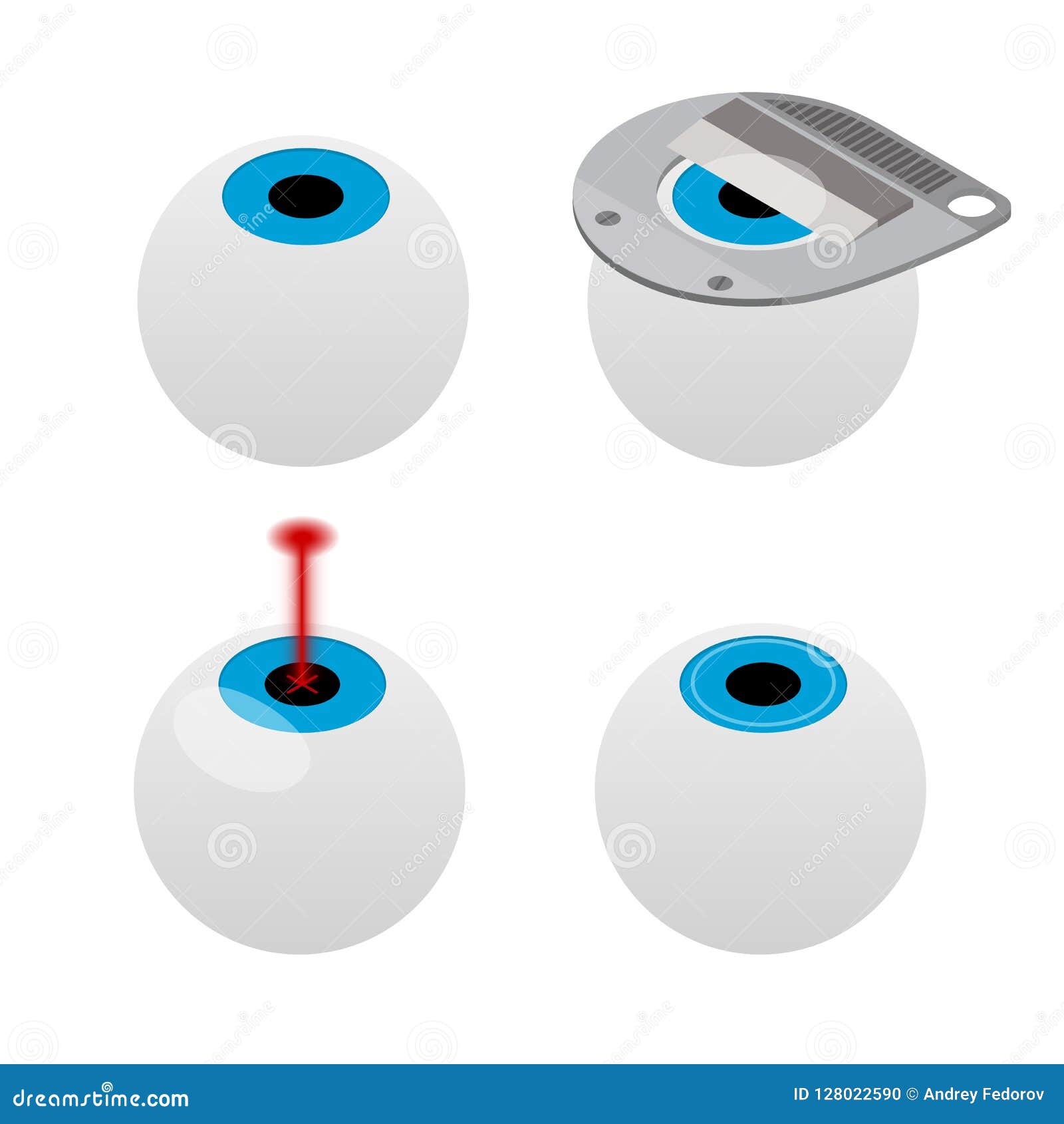
This SMILE eye surgery, or Small Incision Lenticule Extraction, is an innovative technique for vision correction that primarily targets myopia, also known as near vision issues. This bladeless laser vision correction method stands out due to its less invasive approach. Unlike traditional LASIK, where a cut is created in the outer layer of the eye, the SMILE procedure entails making a small cut to extract a small lenticule, or a small piece of corneal tissue. This method modifies the cornea to improve vision while preserving more of the corneal structure, contributing to a faster recovery and less post-operative discomfort.
One of the major benefits of SMILE eye surgery is its suitability for those with average to high levels of nearsightedness. click the up coming site for the procedure often experience marked improvements in their sight, allowing them to lessen or eliminate their dependence on glasses or contact lenses. The SMILE procedure for myopia has been found to provide stable and long-lasting results, making it an desirable option for many individuals seeking a definitive solution to their vision problems.
While no surgical procedure is devoid of risks, the SMILE eye surgery side effects are generally minor and temporary. SMILE Laser Surgery Omaha might experience some slight discomfort, occasional dry eyes, or changes in vision during the initial recovery period. Most individuals experience that their vision settles within a few days. It's crucial for potential candidates to discuss their specific needs and any concerns with their eye care professional to determine if this new surgery is the right choice for them.
Benefits and Risks of SMILE
Small Incision Lenticule Extraction (SMILE) eye surgery provides several advantages for those seeking an alternative to traditional vision correction methods. One of the primary benefits is the minimally invasive nature of the procedure. Unlike LASIK, which demands making a flap in the cornea, SMILE involves only a tiny incision, causing less disruption to the eye's surface. This can result in quicker recovery times and a lower risk of issues. Additionally, patients often indicate improved visual outcomes with reduced dependence on glasses or contact lenses, making it an attractive choice for those with myopia.
However, like any surgical procedure, SMILE does come with inherent risks. While it is considered low-risk, some patients may experience side effects such as dry eyes, visual disturbances, or difficulty with nighttime vision. These effects are generally temporary but can impact the overall satisfaction with the procedure. It is essential for candidates to talk about these risks with their ophthalmologist to ensure they have realistic expectations and comprehend the possible for post-operative adjustments.
In conclusion the decision to have SMILE surgery should be determined after thorough consideration of both its benefits and risks. Individuals should evaluate their specific vision needs and weigh them against the possible side effects. A comprehensive consultation with an eye care professional can help identify if you are a good candidate for SMILE, ensuring that you make an informed choice regarding your vision correction journey.
Cost Comparison: Smile vs Alternative Methods
When considering eye surgery options, cost can play a crucial role in your decision-making process. SMILE Laser Eye Surgery tends to be competitively priced when compared to other common procedures like LASIK and photorefractive keratectomy. The average price of SMILE surgery typically ranges from $2000 to $3000 per eye, based on factors like the surgeon's experience, technology used, and geographical location. These costs may seem high initially, but numerous patients find the long-term benefits and freedom from glasses or contacts worth the expense.
In comparison, LASIK, one of the most popular laser eye surgeries, usually falls within a comparable price range, often from $2,000 to $3500 per eye. However, LASIK can sometimes incur additional hidden costs if enhancements or follow-up procedures are needed. PRK, while often slightly cheaper initially, may involve additional expenses related to the longer recovery time, which can lead to missed workdays and additional expenses for pain management during the healing process.
It's also essential to take into account financing options and insurance coverage, as many clinics offer payment plans for SMILE and other laser vision correction procedures. Look for clinics that provide a clear breakdown of prices, including consultations, aftercare, and any follow-up surgeries. Weighing both the immediate costs and potential long-term savings from eliminating corrective eyewear can help determine which procedure offers the best value for your personal circumstances.
### Applicant Assessment for Small Incision Lenticule Extraction Surgery
Assessing if you are a fit participant for SMILE ocular surgery involves several factors related to your sight and overall eye status. Optimal candidates typically have a consistent vision prescription for nearsightedness, meaning their eyesight has not substantially changed in the previous 12 months or two years. It is also essential that individuals are above the minimum age of eighteen, as this ensures that their eyes have completely developed. During your evaluation, an eye care expert will perform a thorough examination to assess your cornea's health and rule out any hidden conditions that may affect the outcome of the operation.
Another key aspect in candidate review is the degree of myopia. SMILE is particularly effective for those with moderate to significant levels of shortsightedness, making it an appealing option for numerous individuals. But, if your vision prescription falls outside the range that SMILE can correct, other options such as LASIK or PRK may be suggested. Your ocular doctor will guide you through these possibilities, making sure that you choose the procedure best suited to your specific requirements.
In conclusion, lifestyle factors also have a part in establishing your candidacy for SMILE ocular surgery. Patients with persistent eyes, immune system disorders, or who are pregnant may need to consider other possibilities. It is important to discuss your clinical condition openly with your ocular doctor. By doing so, you will be more prepared to know not only if you are a suitable participant for SMILE but also what to look forward to in terms of healing and long-term gains.