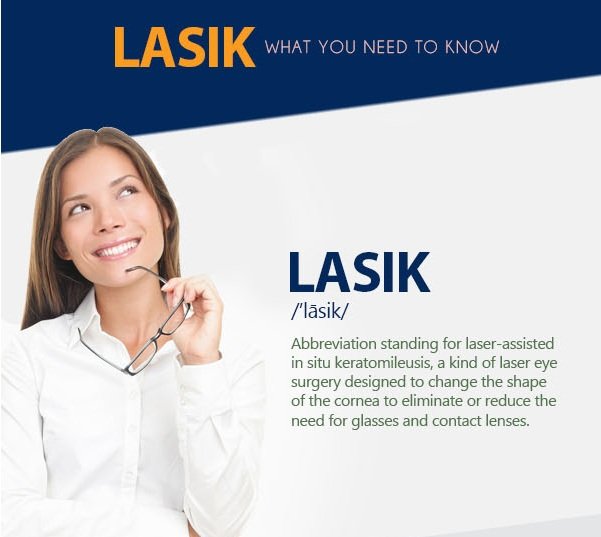
Lately, a revolutionary technique in vision correction has become available, providing individuals an alternative to traditional glasses and contact lenses. SMILE laser eye surgery, known as Small Incision Lenticule Extraction, is an advanced technique designed primarily for those facing with nearsightedness, or myopia. As technology advances, more patients are discovering the transformative effects of this bladeless laser vision correction, which promises not only improved vision but also an easier and faster healing process.
For many, the decision to consider eye surgery often involves evaluating the benefits, costs, and various options available. In this article, we will explore the specifics of the SMILE procedure, juxtapose it against traditional methods like LASIK and PRK, and explore crucial aspects such as potential side effects, recovery, and patient eligibility. By grasping how SMILE eye surgery works and its advantages, individuals can come to knowledgeable conclusions in their journey toward clearer vision.
Comprehending SMILE Eye Surgery
Small Incision Lenticule Extraction eye surgery, short for Small Incision Lenticule Extraction, is an cutting-edge procedure created to correct shortsightedness. This cutting-edge laser vision correction technique signifies a major advancement in refractive surgery. In contrast to conventional methods such as LASIK, SMILE involves a smaller incision and does not require the formation of a corneal flap, which makes it a less invasive option for patients looking for freedom from glasses or contact lenses.
The procedure operates by using a femtosecond laser to form a thin disc of tissue, known as a lenticule, within the cornea. This lenticule is then extracted through a small incision, effectively contouring the cornea to improve visual acuity. By accurately targeting the area responsible for redirecting light, this approach provides a tailored solution for people dealing with challenges associated with myopia.
One of the primary advantages of this eye surgery is its rapid recovery time. Patients generally experience fewer sensations of discomfort and a faster return to normal activities compared to alternative refractive surgery options. Grasping the benefits and mechanics of this technique is vital for anyone considering this life-changing procedure as a feasible alternative to conventional glasses or contact lenses.
Advantages and Disadvantages of SMILE
One of the main benefits of SMILE laser eye surgery is its less invasive nature. Unlike traditional laser-assisted in situ keratomileusis, which involves creating a big flap in the cornea, the SMILE procedure utilizes a tiny incision. This results in less disruption to the corneal structure, which results in reduced risk of complications and a diminished chance of dry eye symptoms. https://m.gulf-times.com/story/674487/HMC-opens-new-laser-vision-correction-unit report a faster recovery time and an improved comfort level during the healing process, enabling them to return to their normal activities more quickly.
Another benefit of the SMILE laser eye surgery procedure is its effectiveness in addressing nearsightedness, also known as myopia. Studies have demonstrated that this procedure can provide similar or even better visual outcomes versus other laser vision correction methods. Individuals often enjoy outstanding, stable vision without the need for glasses or contact lenses. Additionally, its no-blade approach improves safety and precision, making it an attractive option for those seeking a long-term solution to vision problems.
However, like any surgical procedure, SMILE is not without risks. Potential side effects may consist of temporary discomfort, visual disturbances during the recovery phase, and in rare cases, the potential requirement of additional corrective procedures. get redirected here is essential for potential candidates to discuss their medical history and eye health with a qualified eye care professional to make sure they understand both the advantages and the risks before deciding on the SMILE procedure.
Contrasting SMILE with Other Techniques
As considering options for vision correction, many individuals assess the benefits of SMILE laser eye surgery in relation to other procedures such as PRK and LASIK. The primary distinction lies in the technique used to reshape the eye's surface. SMILE, or the minimally invasive SMILE procedure, uses a minimally invasive approach by creating a tiny incision to remove a lenticule of tissue, resulting in rapid recovery and minimal disruption to the outer layer of the eye. In contrast, LASIK involves creating a flap in the cornea and reshaping the inner tissue, while PRK removes the outer layer of the cornea altogether. Every method has its distinct advantages and is suited for different types of patients.
Pricing is another significant consideration when comparing SMILE to other surgical options. SMILE eye surgery cost can fluctuate based on the technology used and the clinic’s expertise. In general, SMILE is comparable to LASIK, but may be somewhat higher due to the specialized equipment required. PRK, typically less costly, may be recommended for patients with thinner corneas or those who are not ideal candidates for SMILE or LASIK. Nonetheless, the lasting benefits of SMILE in terms of stability of vision and reduced discomfort during recovery can surpass the initial cost considerations.
The complications associated with SMILE are often less severe than those experienced with LASIK and PRK. With SMILE eye surgery side effects, patients typically report lessened dryness and discomfort, as there is less nerve disruption in the cornea. LASIK, while as well effective, can lead to increased dry eye symptoms and longer recovery periods in some cases. In evaluating these procedures, it is crucial for patients to consult their personal needs and conditions with their ophthalmologist to determine the most suitable option for their vision correction journey.
Cost and Requirements for SMILE Surgery
The cost of SMILE laser eye surgery can vary significantly depending on various factors, including the surgeon's experience, the clinic's location, and various extra techniques used during the procedure. On average, patients can expect to pay between $2,000 to $4,000 dollars per eye. Many clinics offer payment plans and payment plans to make the procedure easier to afford for patients. It's important to consult with your selected eye care professional to get a detailed itemization of the costs involved.
Requirements for SMILE surgery usually necessitates that patients are at least 18. Individuals with certain eye issues or health concerns may be ineligible to be suitable candidates. A comprehensive eye exam is necessary to determine whether SMILE is the right choice for you. During this assessment, the surgeon will evaluate the form and thickness of your corneal layer, your overall eye health, and your vision requirements.
If you are thinking about SMILE eye surgery, discussing your options with an experienced ophthalmologist is crucial. They will help you comprehend the benefits specific to your case, as well as potential side effects or complications. By matching your eligibility and financial factors, you can make an informed decision about whether SMILE surgery is the right option for transforming your vision.